

Earlier this week, a man came out of the lift looking confused. He scanned the reception area, frowning slightly, then disappeared again. A few minutes later he returned, still looking, still not finding what he was expecting. After a third circuit, he finally approached the receptionist. She smiled, turned, and pointed straight at me, sitting happily with my laptop.
His jaw dropped. “You’re… Professor Morris?”. “Yes,” I said, realising it had happened again.
He apologised, warmly, awkwardly, and then came that pause. The polite silence where someone doesn’t say what they’re really thinking, but it’s absolutely humming in the air:
… You don’t look like a professor …
… and I get it. People expect robes, age, a certain tone. A sense of gravity. They expect male, geeky. They expect some grey hair, a tweed jacket, maybe spectacles and a certain kind of behaviour. Apparently I’m too something. Too young. Too kind. Too sparkly. Too autistic. Too human. So I thought I’d write down the greatest hits, the top things people say when they find out I’m a professor, and the assumptions sitting just under the surface. Each one is followed by what I’d really like to say back. Not a callout. Just a light-hearted reflection on how we judge what expertise looks like, and why some of us don’t look like we’re “supposed to.”
She can’t be a Professor … She’s too ……
… Young

It sounds like a compliment, but it often comes with a pat on the head vibe. Like I’m a pre-professor. One who still needs looking after. But the title isn’t borrowed. I earned it, same way others did, just earlier. I didn’t get here through shortcuts or sparkle. I got here by showing up, figuring things out, and doing the work. I don’t really see age. I see how people move through a room, how they think, what they care about. That’s what I connect to. Age means nothing if you connect. It never has.
… Applied

Some people think being academic means staying behind glass. But I grew up in this field working on live cases, teaching investigators, advising lawyers. My casework doesn’t pull me away from research, it fuels it. I build tools because I’ve needed them. I study patterns because I’ve seen them. I write theory because I’ve seen what happens when the theory runs out. This isn’t a detour from scholarship, it’s how I make mine matter. And I love the mix: the law enforcement calls, the courtroom reports, the lectures that follow. Doing it doesn’t make me less academic. If anything, it makes my work land where it’s needed. True Academic Impact!!!
… Autistic
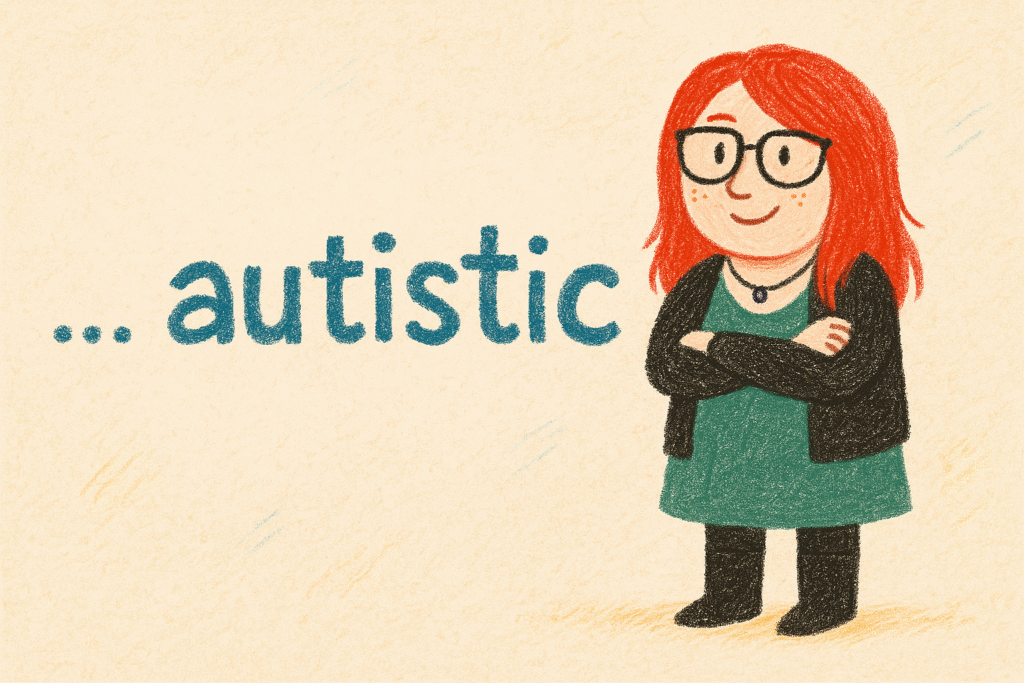
Yes, I am. Not mildly. Not awkwardly. Just differently. It’s not called Aspergers anymore, and I was late diagnosed anyway, so in no way do I seem to present the way people expect. It just means my brain works different to what is considered ‘typical’ …. but it’s that difference that gives me the gifts that make me good at what I do. My brain is wired to notice things others miss, and that includes people. I connect more deeply than I express. I’m not fragile, I’m just processing a different way. I use strategies when I need to, especially outside safe spaces. But when I feel safe, the quirks fade and what’s left is confidence, calm and focus. That’s when I shine. I don’t need you to fix me. I need you to trust that this way works. Because it does. And if you do … if you’re kind and don’t need me to be typical … I will love having you in my life!
… Female
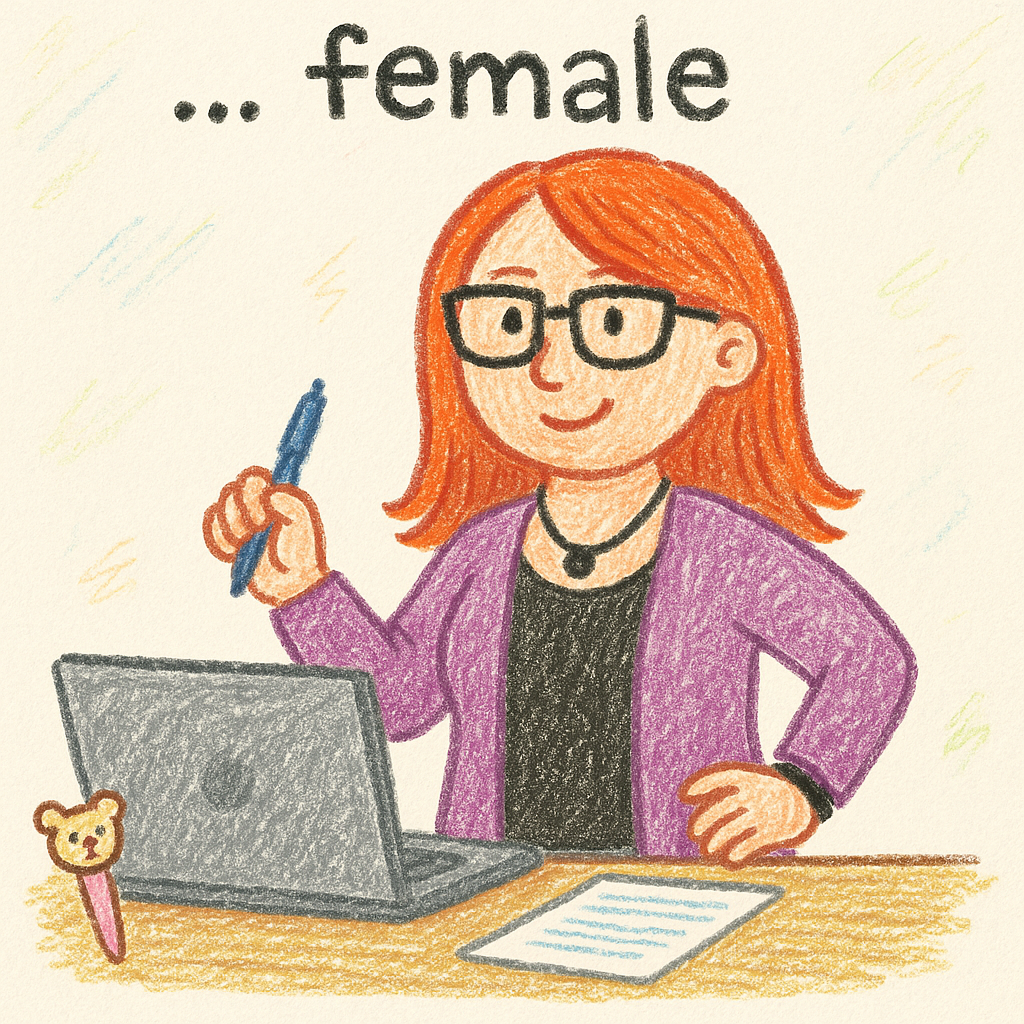
People hear “techy” and assume I’m in outreach or user design. They don’t picture me soldering or decoding data from broken systems. But I’m not here as a mascot. I’m here because I’m good. I don’t care about titles that change depending on whether a man exists in my life. I care about the one I earned. Professor. That one’s mine. And if one day there were someone in that space with me again, I’d want someone who wouldn’t overshadow me. They’d stand beside me. Proudly, equally, messily real.
… Bouncy
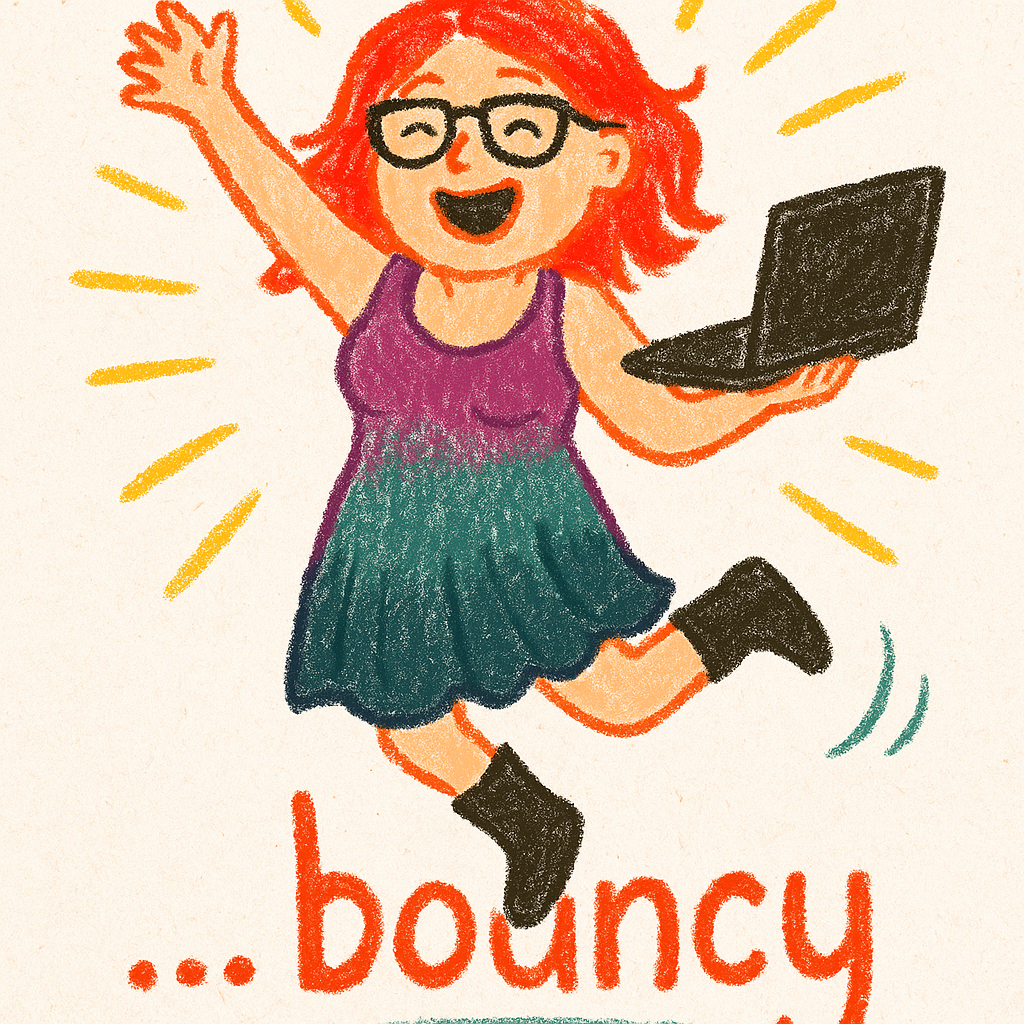
I walk into rooms like a Labradoodle in a library. It’s the energy. The spark. But people assume bouncy means scattered. It doesn’t. It means I light up when something’s interesting. I’m still listening. Still watching. Still reading the room, and usually faster than most. My bounce isn’t chaos. It’s rhythm. And just because it’s not your rhythm doesn’t mean it’s wrong. Don’t mistake movement for uncertainty. I may bounce, but I don’t wobble.
… Weak
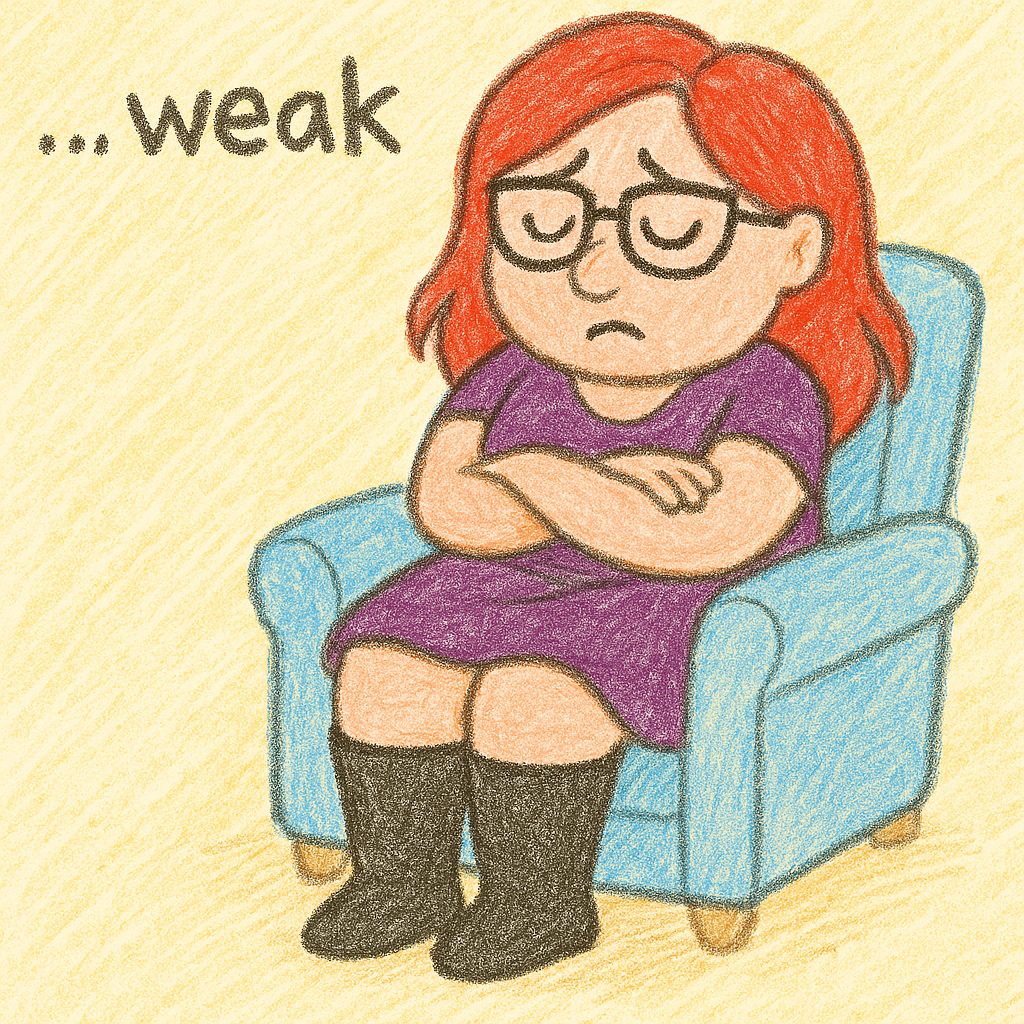
Sometimes people want to protect me. It’s sweet. But sometimes it feels like quietly being nudged out of the way. I don’t want to be shielded. I want to be trusted. I’ve worked with the worst content the internet can throw at you. I’ve held that line. Don’t step in front of me. Stand beside me. If you want to help, help me hold the line, don’t not wrap me in bubble wrap!!!
… Sensitive
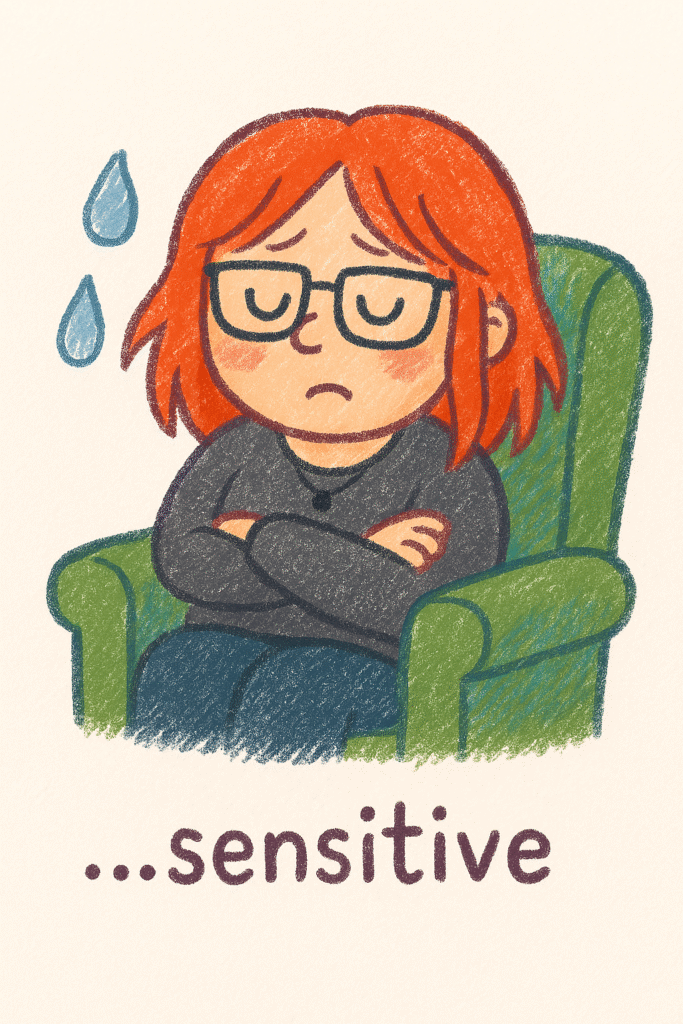
Yes. Loud rooms hurt. Cruelty hits hard. And I can tell if something’s wrong in a room before anyone speaks (Yes surface social cues are hard, but the low level vibes you don’t mean to share, I pick up more than a neurotypical). But that’s not fragility. That’s signal strength. It’s what lets me explain complex ideas with care, make people feel seen, and hold steady when everything else is shaking. Sensitivity isn’t the opposite of leadership. It’s one of the things that makes mine work.
… Creative
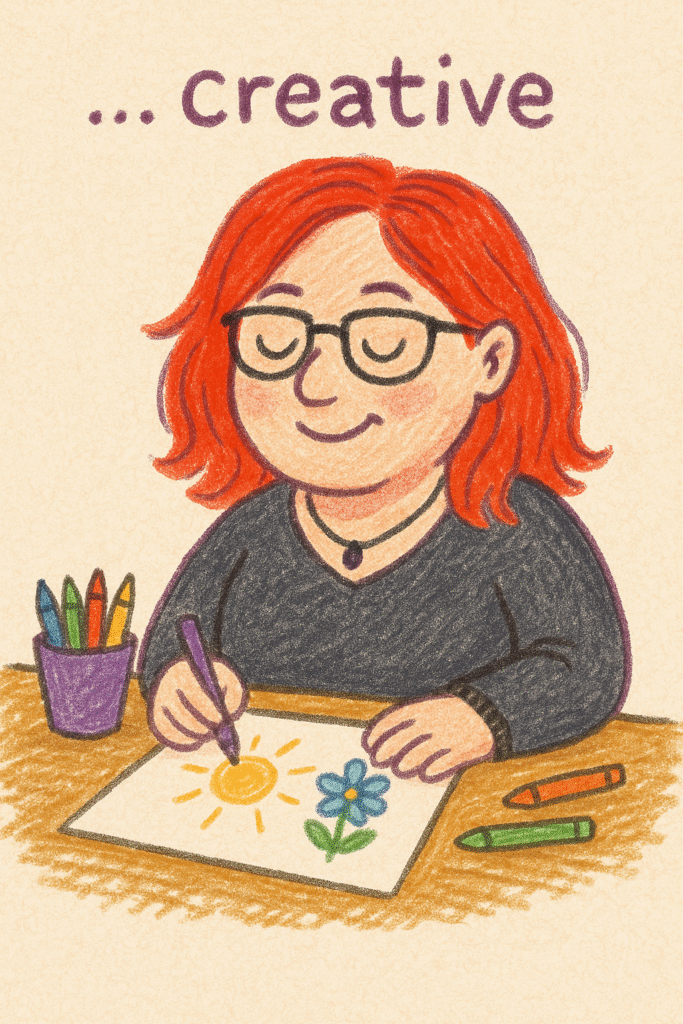
I draw, work with clay, build teaching tools, and code odd little forensic tools. Creativity isn’t something I switch off in a lab. It’s how I work. It’s what makes complex things simple, what makes hard things human, and what brings joy to dark spaces. Creativity is not a bonus skill. It’s the heart of how I teach, lead and solve.
… Quirky
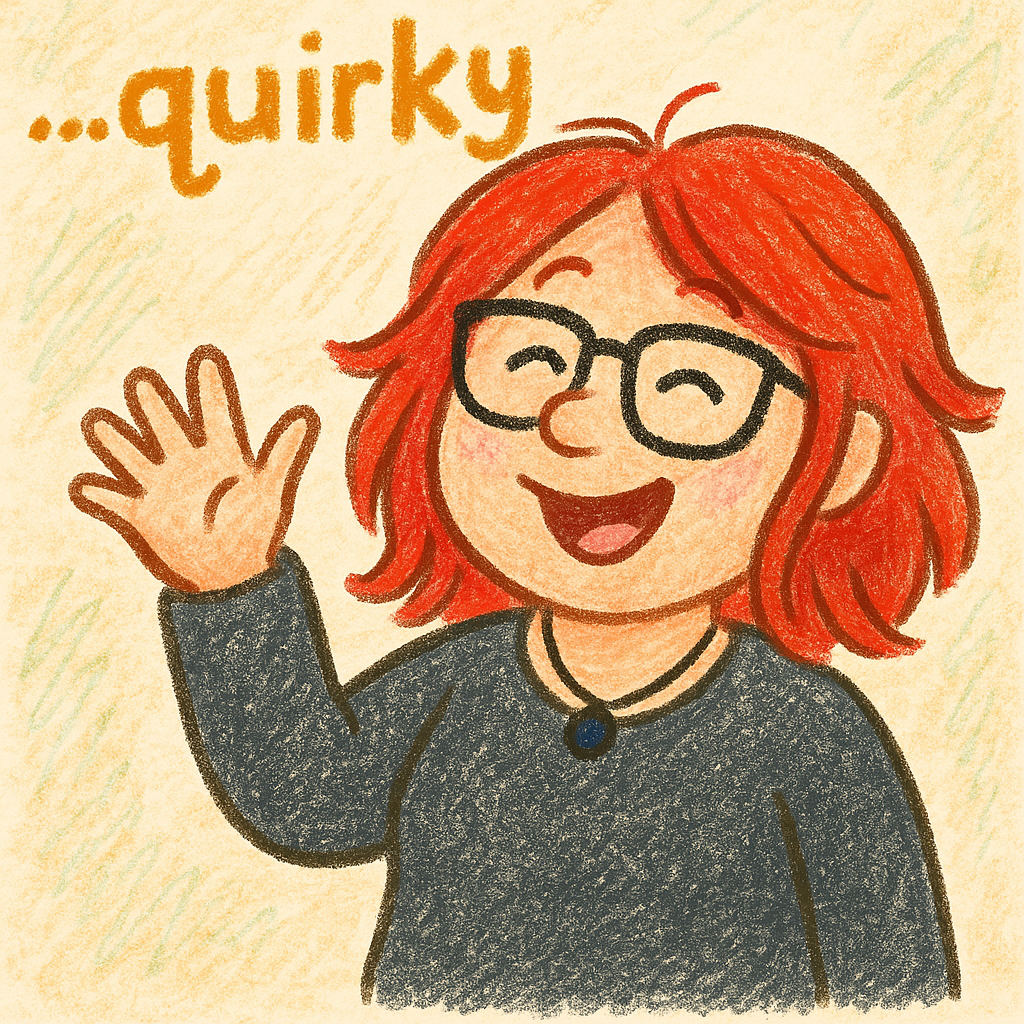
I get called quirky with a smile, like it’s charming but not quite serious. But quirky is code for “you don’t fit the mould.” And no, I don’t. Because the mould was built wrong!!! I may look and act ‘quirky’ … but I also solve things others miss. I’m not quirky instead of credible. I’m quirky and credible. The second one’s just easier to miss if you’re not paying attention.
… Cute
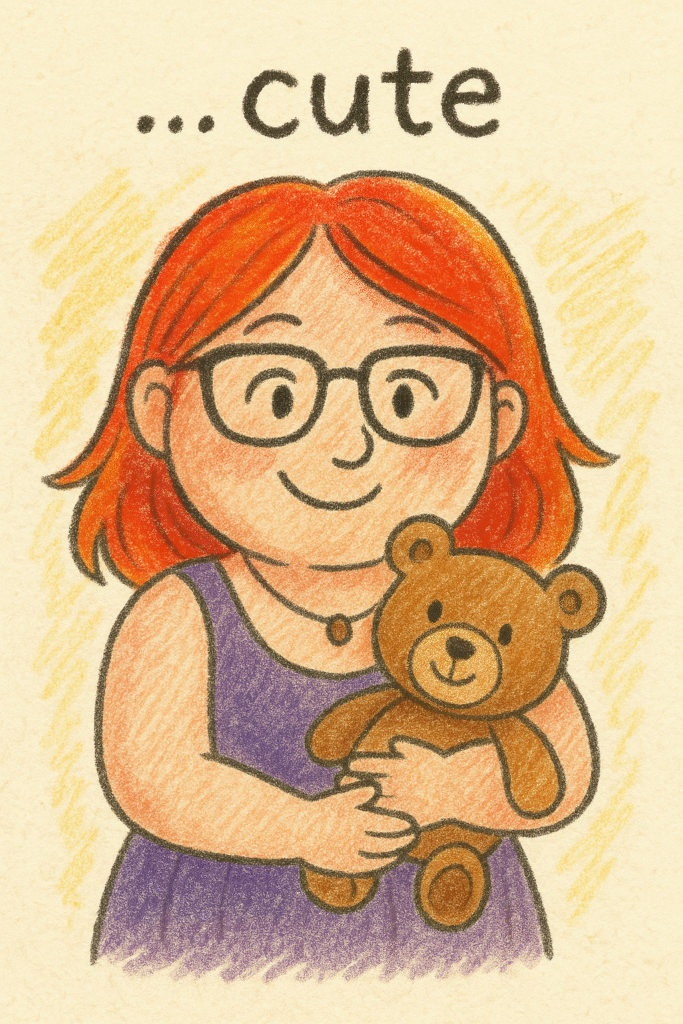
Sometimes people call me cute. They mean well. But it can carry a soft edge that takes the sharpness out of what I say. I carry a teddy. I use bright and sparkly pens. I also explain binary data and build digital evidence that shape real investigations. Cute doesn’t mean childish. To me, it means surviving this dark forensic work with my mental health intact.
… Open

I’m open. But not unfiltered. What you see on stage, in blogs, on LinkedIn, it’s real, but it’s chosen. I know what I’m sharing and why. It’s connection, not confession. There are things I share quietly, in the corners of conversation, when trust is there. But just because I’m open doesn’t mean you’ve seen everything. And that’s exactly how it should be.
… Exactly What We Didn’t Know We Needed!!!
None of these labels are the whole of me. They’re surface. Fragments. Sometimes kindly offered, sometimes quietly cutting. But underneath whatever you think you see, is a professor who can jump from hex data to fairy lights, from senior briefings to lion plushies, from leadership to laughter.
I don’t want to be exceptional. I certainly don’t feel exceptional. I would just like to be seen properly, and not have to ‘prove’ I deserve the title. And if you’ve ever seen me properly … or even started to … thank you. That means more than you probably realise.
So yes … when someone looks across a reception and can’t quite believe it’s me… I get it. But I hope they stay long enough to see what I’m made of.
The world doesn’t need fewer people like me. It needs more people who get people like me!!!