Digital forensics can break you!!! I’ve seen it. I’ve felt it. Now, thanks to a Churchill Fellowship, I’m heading to the USA (and virtually across Europe) to explore how we protect the minds behind the screens. This journey is about more than a project, it’s about being a voice for those who can’t always speak up, and finally fully stepping into the world, not just as a professor, but as a whole human being too. I’ve written this to give an overview of what I’m up to and why!
So What is a Churchill Fellowship?
It’s not like academic travel and traditional funding, where you squeeze in some adventure between conferences. A Churchill Fellowship is funded, up to 8 weeks travel, and designed to immerse you, not just in your topic, but in the culture, the people, the day-to-day reality. It’s for something you’re passionate about, personally connected to, and want to bring real, actionable change back to the UK!!!
… And yes, it’s also meant to change you …. because the point isn’t just what you learn and the change you bring back …. but who you become while learning it.
Protecting the Minds of Digital Forensic Investigators
People often think the hardest part of digital forensics is the images. But it’s so much more than that. It’s the pressure, the isolation, the lack of support, the sense that you have to just keep going no matter what. It builds quietly. And it stays.
I wrote more about this in The Echoes We Carry … how the job leaves its mark. I’ve lost people I care about to suicide. I’ve watched brilliant practitioners walk away because they couldn’t take any more. I’ve seen others quietly fall apart, and try to carry on anyway. I’ve been there too, and its not somewhere I’d wish on anyone to end up….
…. We deserve better … All of us!
This Fellowship gives me the chance to find out what “better” could look like. I’ll be spending eight weeks in the USA, meeting people face to face. Not just digital investigators, but the wider justice teams around them, law enforcement, defence teams, private investigators, lab staff, vendors, trainers, supervisors, legal experts, policy people. Over my 12 month fellowship, I’ll also be speaking virtually to European practitioners to understand what they’re seeing and doing. Together this data will give a broader picture of Digital Forensic Investigator life outside the UK, and I’m hoping this gives us information we currently don’t have to help inform why we have the problems we have, and a direction for providing help!
America’s system is very different to ours (with a lot of similarities too), and yet they seem to have held up very differently since COVID. That makes me curious. Is it cultural? Is the job done differently? Are they doing something that helps in ways we haven’t tried? Or is it not that simple? Are they breaking differently or is the reporting different?
I don’t know …. But I plan to find out!!!
Whatever the answers, I know that every place has good and bad points, hopefully with this cultural exchange, we can share ideas, thoughts, and practice and support our brilliant community!

Why Me?
This is the work I do. I’ve spent years in digital investigations, across a whole mix of environments. I’ve worked on investigations with a huge variety of teams …. Big units, Small teams, Police, Defence, Private Sector, Journalists, etc! I’ve seen how differently this job is handled depending on where you are, what tools you have, and how people lead. I’ve also trained and supported a lot of investigators over the last 17 years. That’s given me a pretty wide view of the landscape, and a growing understanding of where things are quietly falling apart.
One of my most incredible friends, Dr Deb Carr, is a Churchill Fellow too. She’s been incredibly supportive of this journey. She knows how much this topic matters to me, and how much I’ve needed something that could shift things, for the field, and for me personally.
I’m not a social scientist. I know people in that world are working hard on this problem. They bring depth and knowledge and care. But for some reason, the impact on the ground isn’t coming through. I don’t know why. I just know that more and more people are struggling. Some are stepping away quietly… Some are breaking.
This project means the world to me, and it must do, because I’m a pretty hardcore techy at heart. My comfort zone is hex data and digital traces. Yet I find myself talking more and more about mental health, trauma, systems of care, and how to support the people doing this work. I didn’t plan to become a voice for this …. I just couldn’t ignore what I was seeing anymore.
I don’t think I have the full picture. But I’ve lived this work. I’ve felt its cost. Maybe that gives me a different way of seeing. I’m not expecting to solve the problem in one go ….. That would be unrealistic!! What I am hoping for is to bring back something useful. Ideas we haven’t tried yet, better understanding of what makes a difference, fresh questions to ask …. And maybe a few new places to look for help, or things that might help.
Even if all I do is shine a light on something overlooked, or open a door to a better conversation, that’s a step forward …. And we need to keep stepping forward, just one foot in front of the other!
The Puzzle Pieces I Keep Seeing …
I’ve worked with a lot of people in digital forensics — investigators, analysts, students, police, private sector, defence. Over the years, I’ve started to notice certain things that keep cropping up. I don’t know exactly how they all fit together, but I keep seeing them. Over and over.
Neurodivergence
A lot of people in this field seem to be neurodivergent. Some know it, some don’t. Autism, ADHD, dyslexia, or just a different way of processing the world. I’m autistic myself — diagnosed later in life — and I wrote about how that affects my work and the way I move through the world here.
Neurodivergent people often thrive in digital forensics. We’re focused. We notice the little things. We care deeply. But we also tend to mask, push through, and stay quiet when the pressure hits. That makes us more vulnerable than we look.
Aphantasia
I have aphantasia, which means I can’t visualise things in my mind. No images, no movie reel, no internal slideshow. I wrote about that here.
Since opening up about it, I’ve heard from so many others in the field who think similarly. I don’t know yet if that changes how we carry distress or trauma, but I do think it changes how we experience this job. And that might be a factor in how we cope …. or don’t.
Isolation
Even when you’re in a team, it’s easy to feel alone. Most of the work is quiet and done independently. There are many occasions where you’ve got headphones in, you’re deep in evidence and technical detail so you don’t want to interrupt anyone. Sometimes there’s no space to talk, or it doesn’t feel safe to do so. That kind of silence can sit heavy over time.
Team Setup
I’ve worked in places where two people handle everything, and others where work is split across large, structured teams. The job might be the same, but the pressure feels completely different. Some setups help people share the weight. Others concentrate it. Structure matters. There’s also the stress outside the team. Whilst good management can shelter a team from a lot, the fact is the wider organisations behaviour does impact life!
Lack of Breaks
People go whole days without stepping away. Not because they want to, but because they’re too busy, or too pressured, or there’s nowhere to go. I’ve seen brilliant investigators unravel slowly because no one gave them permission to rest. Even a proper lunch break would have helped.
The Material
We see things most people don’t. Not just images, though those can be bad enough. We read private messages. We hear audio. We watch video. We see legal pornography, illegal material, abuse, violence, cruelty, shame, loneliness, humiliation, abuse …. and we do it for hours.
Even the “legal” stuff can wear you down. Spending your day reviewing someone else’s private world changes how you feel about the world around you. And about yourself.
People think AI will fix this … I don’t …. If anything, it’s shifting the problem. With AI, you’re often seeing fewer files from each case, but from more cases overall. So we get more variety, less repetition, but maybe less time to emotionally adjust. I don’t know what that does to someone long term …. but I think it’s worth asking.
Workplace Stress
Then there’s everything else. The day-to-day pressure. Trying to keep up with constantly shifting technology, changing software, evolving forensic methods. Being asked to click a button and give a magic answer when you know it’s more complicated than that. Working through massive backlogs. Seeing digital evidence become central to more and more cases. Watching anti-forensics become more common.
We’re expected to do more, learn more, adapt faster, and somehow stay fine. Time for proper CPD is rare. Breathing room is rarer!! Still, we’re meant to act like everything’s manageable, like the system, and work, isn’t quietly overwhelming us.
We’re praised for being calm under pressure, but sometimes that pressure doesn’t let up. Often, saying “I’m not okay” doesn’t feel like an option.
I don’t know how all of this fits together, I don’t think these are all the pieces. I do, know these patterns matter, because I see them again and again. They set our field apart, not just in what we do, but in how it affects us. I’m not saying others don’t have these traits, I’m saying that it seems, we have more of them, more often, than our peers in the same wider organisations.
And I want to understand that better …. Not with assumptions …. Not with quick fixes. This is going to take listening, learning, interacting, and asking questions that don’t usually get asked.
Immersion, Not Observation
I’m not going over there to just ask a few questions and tick some boxes. I want to really get to know people, what they do, where they work, what their day looks like, what kind of jobs they handle, how their teams are set up, even what they do outside of work. I want to understand the environment, the culture, the pace, the pressure. I want to look under every stone I can.
Some people assume that because I’m autistic, I can’t do that …. That I’ll miss things. Ok, yes, I might not always catch the surface-level social cues, but I feel what’s going on underneath. I notice patterns. I pick up on emotion even when no one’s saying it out loud (and yes that is an epic superpower, when you learn to trust your vibes).
I know digital forensics …. I’ve lived it …. I’ve trained others to do it. I’ve sat in the kind of rooms where things break. So when I say I want to learn what works, I mean the kind of learning that comes from really being there. From feeling it!!!! From knowing what might actually help when someone’s quietly falling apart.
Mission: Reboot!
I wear a sparkly Pandora Beauty and the Beast ring on my left hand. It’s not romantic!!! It’s a long-running joke with my best friend, I’m not married, but I might as well be… to my job. For years, work has been everything. It’s been safe, structured, full of purpose, and I’ve poured everything into it.
…. But I need and WANT a life …. A non-prof one. One that’s not just centred around backlogs, the latest investigation, teaching plans and court deadlines.
I’m not climbing the academic ladder anymore, that’s not where I’m heading. I love what I do too much, the casework, the teaching, the people. I don’t want to lead a faculty or chase more titles. I want to focus on digital forensics, and do it with balance. With time to think, time to rest, time to go out and live a little.
I’ve already started making space. I’m better now at pausing, saying no, taking time out when I need it. This Fellowship feels like the next stage. It’s the push I needed to step out of my routine and remember who I am outside the lab coat. The thing that made me determined to go for this fellowship, was the fact I need a really kick to go after life (the concept of opening my life and heart is terrifying), and I know the only way I’ll change myself is doing it with a mission. This mission means the world to me, and if it gives me a gift of the life I dream of in return for helping others then I’m incredibly lucky!
This isn’t a sabbatical!! It’s not about escape!! It’s about building the kind of life and community I want to come back to.
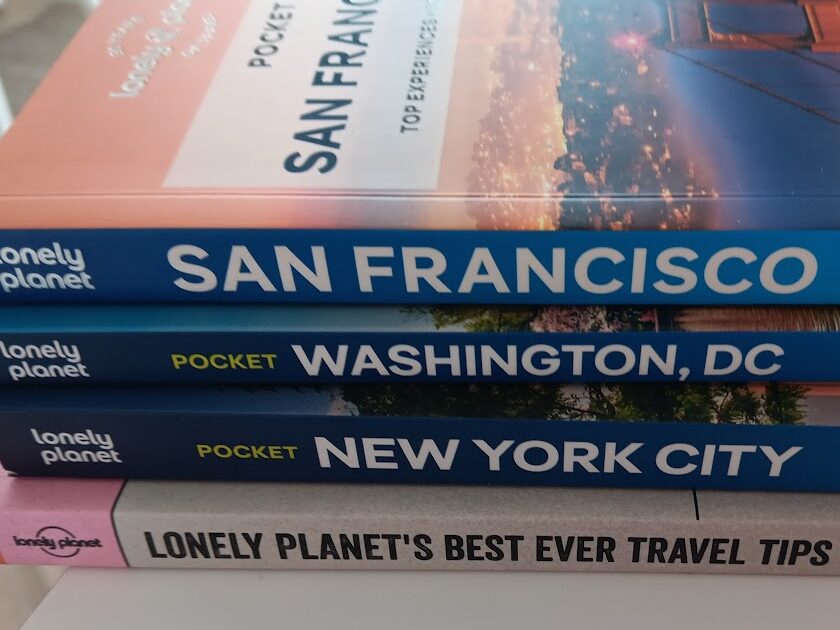
That being said, planning the mental health and digital forensic aspects of this trip have been easy. I have so many things I’d love to see, get involved in, etc. Everyone has been very kind so far and I can’t wait to get stuck in. The adventure outside part is harder and I’m working hard to work out what fun would work for me. Currently I’m thinking lots of the big tourist attractions and locations, wildlife, Mickey Mouse (obviously!!) and I really want to see a Rodeo! I’m never going to go skydiving etc, but I am going to have adventures my way, that work for me!

From Burnout to Joy
I’ve wanted to be a professor since I was six. That goal shaped everything. It gave me direction, purpose, and sometimes a good excuse to keep people at arm’s length. Friends, family, romantic relationships, none of them ever truly got in the way. Nothing came close to the work, and in the end, that meant most ended up drifting away or leaving.
For a long time, I told myself that if something was right, it would last, no matter how hard I chased my career. Maybe that’s still true. My best friend and I have taken different paths more than once, but somehow we always end up back in each other’s lives. Some connections just quietly hold on.
Looking back though, I don’t think it was about timing or ambition. I just wasn’t ready for life, and digital … well that’s safe.
Reaching this point in my career gave me something I didn’t realise I was missing. Space. Self-understanding. A sense of being grounded in who I am, rather than who I was trying to become. For the first time, I actually love the life I’ve built, even the messy parts. I feel proud of myself in a way I didn’t know I needed to be.
Now I’m learning to say yes to things that have nothing to do with work. Little adventures. Walks in new places, drives to random locations, castle visits. Laughter with people who make me feel like I can just be. I want more of that.
This Fellowship feels like the start of something bigger. Not in terms of career! What I do want is balance. I want stories that belong to me, not to my CV. I want to come back with memories that don’t have anything to do with a case!
I’ve realised something important and wow did it take my long enough. No one else can make you feel whole, no award, no title, no achievement. You have to do that work yourself …. and I’ve done i, Slowly, Quietly and In my own way. I’m not searching for someone or something to fix me. I feel enough, just as I am.
This trip is my way of showing myself that. A chance to grow, to explore, to let life in. It’s also a small, quiet message, to the universe. I’m here now!!! Life doesn’t always give you tomorrow. I’ve spent too long putting joy on hold for deadlines and because I felt I had to for my work. I don’t want to do that anymore, I don’t want to regret the missed opportunities for joy.
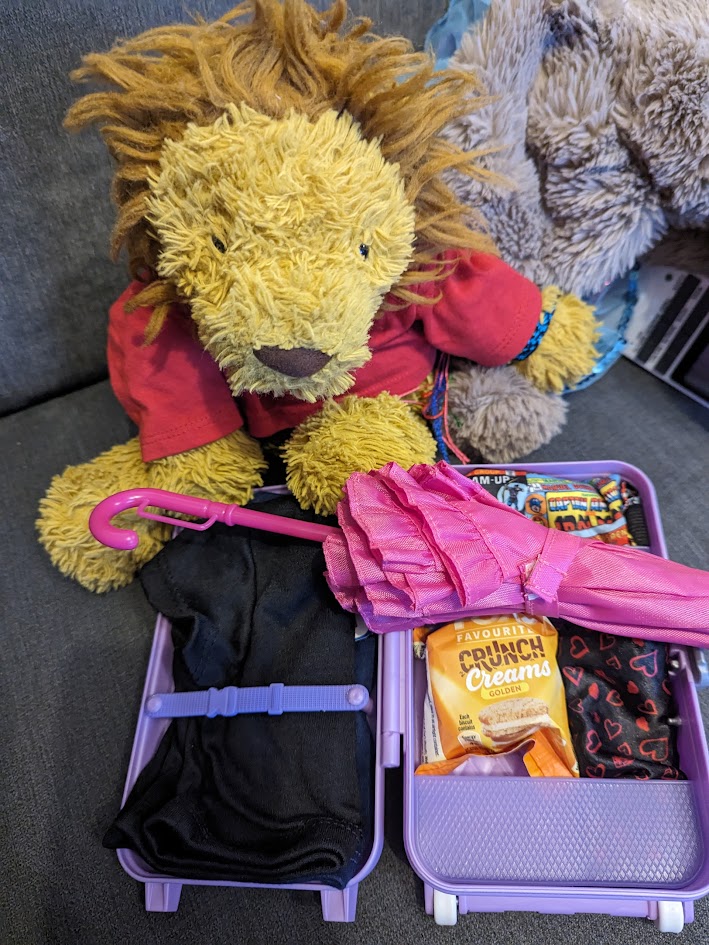
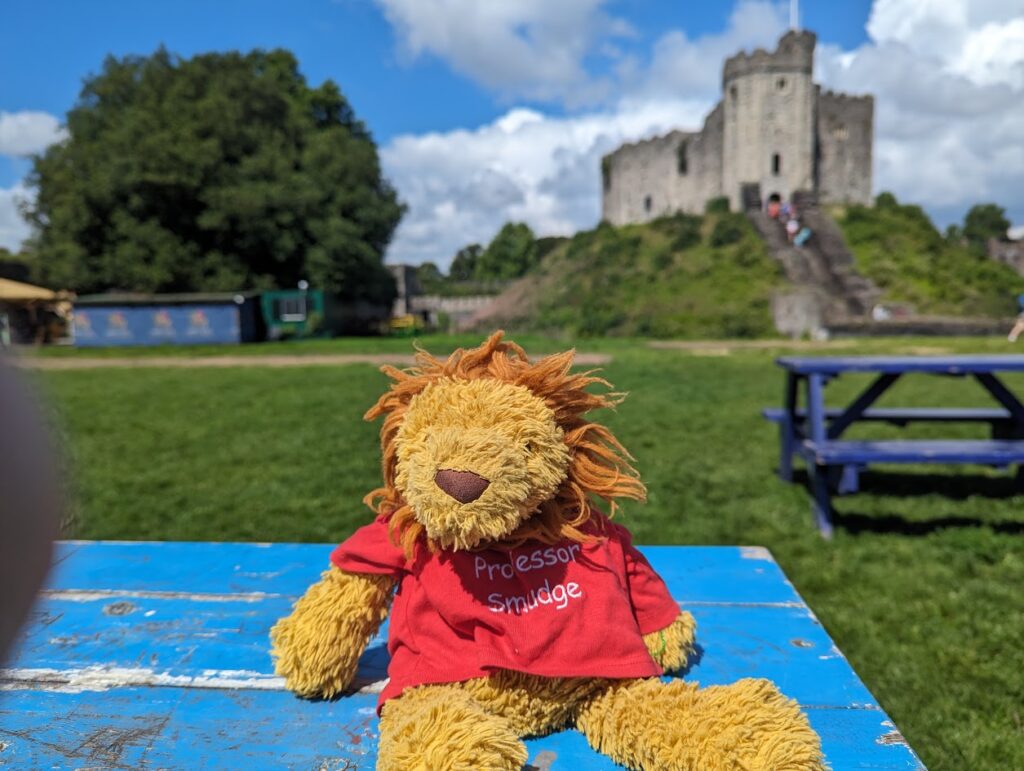
And yes, Smudge is coming with me. Of course he is!! Every good adventure needs a cuddly lion with main character energy, and his own instagram following!
What Happens Next?
Now it’s time to finalise the plan. I’ll be travelling sometime in the next year, with in-person time in the US and virtual conversations across Europe. Along the way, I’ll be gathering ideas, approaches, and techniques that different organisations use to support digital investigators. Once I’m back, I’ll compare what I’ve found with what we’re doing in the UK and share those insights with the people who need them.
I’m lucky to be supported by a number of advisory roles that are already helping shape how this work can make the most impact. They’ve offered their backing to help make sure the findings don’t just sit in a report, but actually reach the people who can use them. I’m really hopeful that this will move the conversation forward in a practical, grounded way.
Blog updates will follow throughout the journey. For safety and confidentiality, most will be posted after each activity has taken place, with some details redacted where needed. But I’ll share as much as I can, both about what I’m learning, and about the quieter, personal parts of the journey too.
If you’re interested in the serious stuff, I’ll be writing about the challenges we face in digital forensics and what we might learn from others. If you’re here for the fluffier moments, Smudge has his own Instagram and will be documenting the fun side of the trip. He’s already packed!!!
How YOU Can Help (Yes …. You!!)
DF, Vendors and Forensic folks
Make this journey stronger with your insight!
- Please introduce me to relevant teams or units in the US
- Share your thoughts or experiences on mental health in DF
- Suggest tools, vendors, or policies worth exploring
- Help spread the word when the blogs go live
- Let me know what you’d want to learn from this
Justice, Research and Related Work
Let’s find the overlaps together.
- If you’re working on something similar, get in touch
- If you’ve seen this outside DF, I want to know
- Let’s compare notes or meet for coffee
- Suggest articles, projects, or thinkers I should explore
- Invite me to speak, write, or just chat
Friends, Travellers and Quiet Supporters
I might be brave, but backup helps
- Hugs. Tea. Encouragement. All still very welcome
- Got ideas for safe places to visit? Send them
- Travel tips, intro offers, or playlists always appreciated
- Smudge accepts compliments, followers, clothes, snacks, and moral support!
- …. And if you’re also holding back living because of work …. make sure you live your life too, no one is guaranteed a tomorrow!
Want to Catch up or Help?