

A Note Before We Start …
This blog piece is inspired by a collection of friends and those around me who, lately, have taken to trying to help in ways that I know their heart is in the right place, but don’t always feel as supportive as they intend. Following a group chat with some other wonderful AuDHDers, I wanted to explain how we feel and how you can truly help. It’s important to stress that ASD is a spectrum; everyone is different. I’m focusing on the ‘overanxious overachieving’ late-diagnosed female autistics/ADHDers.
Autism is Another Neurotype
Autism is not a defect but another neurotype. It represents a different way of processing the world. The challenges faced by autistic individuals are not due to a flaw in themselves but because the world is not designed for their neurotype. Autism brings unique strengths and perspectives, and it’s crucial to recognise and value this neurodiversity.
This is in no way to suggest that there are not a wide spectrum of ASD individuals out there and some face incredible challenges and need substantial support. It’s not an aspect of ASD or Neurodiversity I know enough to comment on, I can only talk about me.
Often, those of us considered high functioning, particularly those who seem to the world to be doing ok but ‘quirky’ are considered as not needing support. The truth is, there are a lot of things that I have to adapt myself and work hard at to survive, where others find it natural (because it was designed for them!)
Late Diagnosed Female Autism / ADHD
Female autism often presents differently from male autism, which can lead to late diagnoses. Much of this is because, like many areas of science, research has historically focused on men. (Side note: if you haven’t read “Invisible Women” by Caroline Criado Perez, you really should!)
Women with autism tend to camouflage their symptoms, adapting to social expectations and masking their difficulties. This difference in presentation means many women remain undiagnosed until adulthood, often after years of struggling with unexplained challenges.
Many women, myself included, are first diagnosed with something else. In my case, it was anxiety caused by bullying. That anxiety reached a point where someone with good intentions suggested that anxiety might be the symptom, not the problem. This realisation blew my mind. I initially thought of Sheldon from The Big Bang Theory and feared I was drastically different. It turns out I’m quirky, not neurotypical, but also not the stereotypical male-presenting autistic portrayed in the media.
We mask to fit in and survive, often without realising it. Masking is exhausting and asks us to be something we aren’t, to fit in, blend in, and make others comfortable. I’ve heard many stories from women who, after revealing their autism, were encouraged to unmask only to face issues that caused them to mask harder and break.
I’m incredibly lucky to have found my tribe a couple of years ago. At Southampton, I feel safe enough not to mask and can just be me. I’ve been welcomed and accepted, and I’m told I’m doing really well. I realise this is a privileged position as many aren’t so fortunate. There are still external groups where I can’t unmask, and these situations are exhausting and often painful. The high level of masking often leaves me on the verge of a meltdown.
One thing on my ever-growing list of things that need fixing is that people like me should not have to feel this way. We should be able to be our true selves without exhausting ourselves for the comfort and expectations of others, as long as we respect reasonable boundaries and don’t harm anyone else.
Until we reach that point, here’s a top 5 things I hear regularly that are frustrating, and ways you can actually help people like me!
Top 5 Things I Get Told (That Aren’t Actually As Kind As You Think!)

“You’re doing so well in spite of it.”
This implies that autism is a hindrance rather than a part of who I am. It’s like saying, “You’re doing great despite that huge, invisible monster on your back!”.
“I always knew.”
While this might be intended to show understanding, it’s like saying, “I knew you left your cooker on, but I thought you’d figure it out on your own.” Not helpful and a bit annoying.
“But you don’t look autistic.”
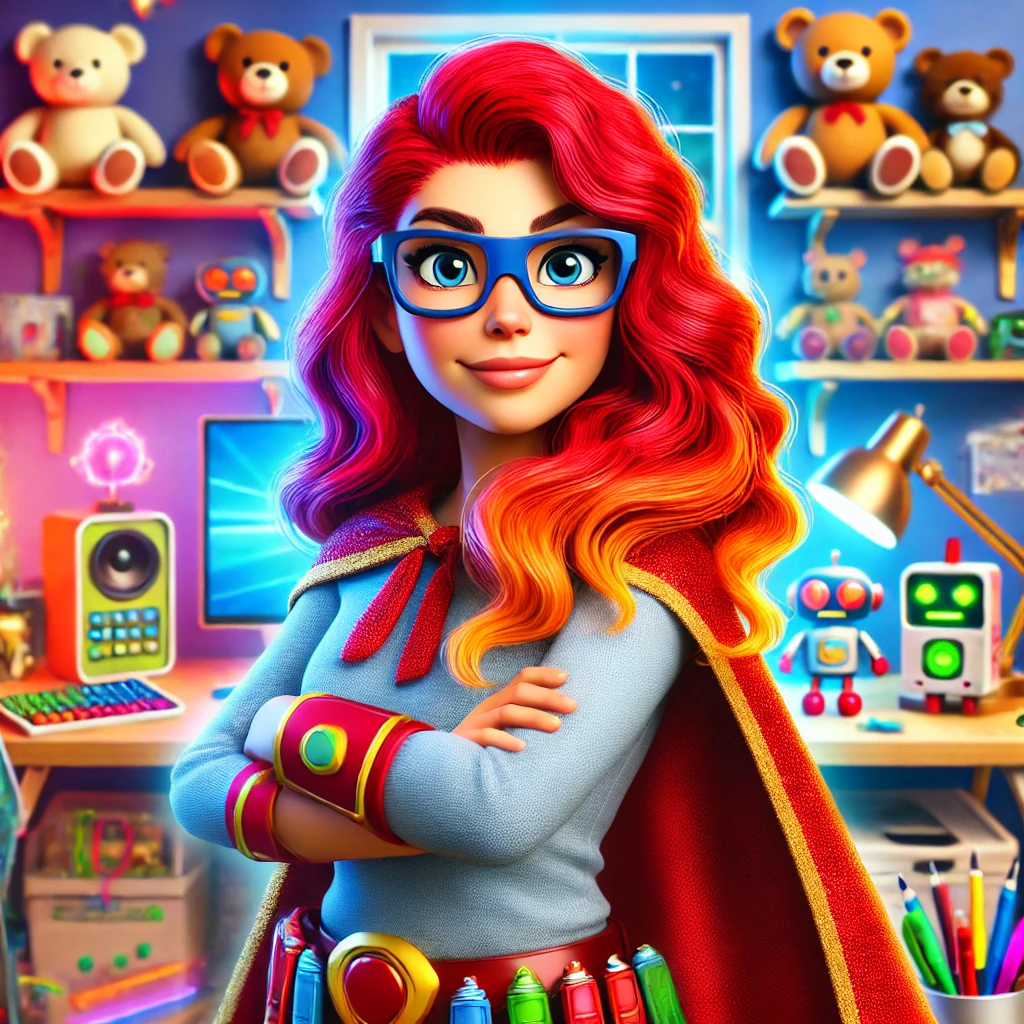
This reinforces harmful stereotypes. Autism doesn’t have a look. It’s not like I’m hiding a secret superhero identity, complete with a cape and mask.
“Everyone’s a little autistic.”
This massively diminishes the unique challenges faced by autistic individuals. It’s like telling someone with a broken leg, “Everyone has trouble walking sometimes.”
“At least now you know what’s wrong with you.”
This suggests autism is a defect rather than a difference. It’s like saying, “Congratulations, you’ve discovered you’re a malfunctioning robot!”
How You Can Actually Help: A Guide to Kinder Interaction
Understanding Meltdowns
What is a Meltdown?
Think emotional overload that often looks like crying. When this happens, we just need somewhere private and some space.
A Little Thing May Topple The Tower!
You may regard something as minor, but it may just be enough to topple the tower. This is likely to be because we are already struggling orbecause it was unexpected or we don’t know how to process it right now.
Decision-Making
Need Advanced Notice
Big decisions on the spot? Nope, can’t do it. Give us a heads up, especially for significant things.
Sensory Issues

Sometimes We Want Space
Sometimes certain clothes feel like torture devices. Understand that we might need to change or just want to be alone.
Noise Levels
Imagine every sound being at the same full volume. Conversations in noisy places are tough! I use loop earplugs, but still, be mindful.
Communication
Live Captions During Meetings
They help us catch up and make it easier to focus as the text helps us process the audio
Text-Based Communication
If you want to know our true thoughts or feelings, especially if we’re uncomfortable, text is best.
Clear Instructions
We overthink, catastrophise, and overanalyse. Be clear or be okay with us double-checking.
Events and Food

Offer Text-Based Interaction
At events, having a way to ask questions via text is super helpful.
Plain Food Lover
What you think isn’t spicy probably is. Don’t push us to try new foods. If we want to we will get there on our own time.
Emotional Understanding
Resting Autism Face
If we look unhappy but not crying, we might be fine. We often look miserable regardless of situation which is something I’ve only recently been told about. I’m working on it, but hey, it’s just me.
Misread Emotions: Our emotions and behaviors might not fit neurotypical expectations. Get to know us or just ask.

Respect and Support
Don’t Try to Fix Us
We are doing great as we are. Yes we have struggles, and yes somethings are very challenging. Often though, as much as your attempts to convert us to ‘normal’ are well intentionned you’re essentially trying to get us to re-mask, and that’s exhausting and painful. Your job is to support, not change us.